


Never Miss a Post!
Sign up for free and be the first to get notified about updates.
Share Article
Jump To..
TEXAS BBQ
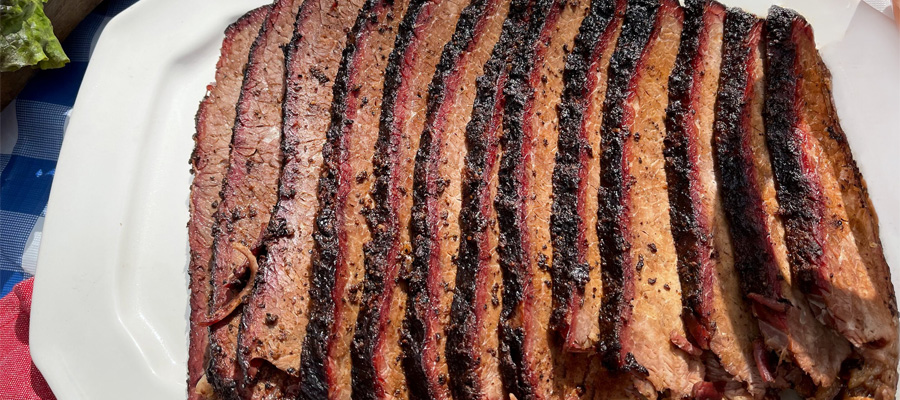
Texas BBQ: Brisket, Beef Ribs & the Power of Simple Smoke
Ask ten barbecue fans where the capital of brisket is, and most of them will say the same thing: Texas. Texas BBQ is a culture as much as a cooking style—long lines outside legendary joints, butcher paper trays, post oak smoke drifting across the parking lot, and slices of juicy brisket served with nothing more than white bread, pickles, and onions.
For 1000Rubs.com, owning Texas BBQ content means owning:
- The brisket conversation
- High-value searches around Texas rubs, beef rubs, and post-oak smoked BBQ
- A style that’s globally recognized and endlessly shareable on social media
This guide walks through what makes Texas BBQ unique and how your customers can bring that flavor home using your rubs and seasonings.
What Makes Texas BBQ Different?
There are four “big” American BBQ regions—Texas, Memphis, Kansas City, and Carolina—but Texas stands out for its focus on beef, especially brisket.
Key Texas BBQ Traits
- Beef-first: Brisket, beef ribs, and sausage are the stars.
- Simple rubs: Often just salt and black pepper (sometimes garlic).
- Post oak smoke: Especially in Central Texas, where barbecue is smoked low and slow over post oak.
- Meat-market style: Sliced to order, sold by the pound on butcher paper, with sides served separately.
- Sauce on the side: The meat should stand on its own—sauce is optional, not mandatory.
Within Texas there are regional variations (Central, East, West, South), but most people worldwide associate “Texas BBQ” with the Central Texas style: post-oak smoked brisket seasoned simply and cooked until it’s jiggly, slice-tender perfection.
The Texas Holy Trinity: Brisket, Beef Ribs & Sausage
- Brisket: King of Texas BBQ
Brisket is the signature cut of Texas BBQ. A full “packer” brisket (both point and flat muscles) weighs 10–18 pounds and comes from the lower chest of the cow. It’s tough, full of connective tissue, and absolutely incredible when cooked right.
- Rub: Coarse salt + coarse black pepper, sometimes with a touch of garlic powder.
- Wood: Post oak is the classic choice in Central Texas.
- Cook: Low & slow, often 12–18 hours, until the brisket is probe-tender and jiggly.
In big-name spots like Franklin Barbecue and other top Texas joints, brisket is treated almost like religion—trimmed carefully, seasoned simply, and watched closely for hours.
- Beef Ribs
Texas beef ribs—especially plate ribs—are massive, meaty, and deeply beefy.
- Rub: Similar SPG (salt-pepper-garlic) approach.
- Cook: Low & slow until the meat is tender and pulling back from the bones.
They’re often sold as individual ribs or sliced in big, show-stopping portions.
- Sausage
Sausage is another Texas staple:
- Often coarse-ground beef and/or pork, seasoned with garlic, black pepper, and chili.
- Served sliced on trays or in traditional sausage wraps with crackers, pickles, onions, and cheese.
Pork ribs, turkey, and pulled pork also show up, but brisket, beef ribs, and sausage are the big three.
Wood & Smoke: Why Post Oak Matters
Texas BBQ is as much about fire management as it is about seasoning.
- Post oak is the standard wood in Central Texas—clean-burning, medium strength, and perfect for long cooks.
- Other woods like mesquite might be used in West Texas for more direct “cowboy-style” grilling, but post oak is what most people think of when they picture Texas brisket.
For home cooks, you can recommend:
- Oak chunks or splits in offset smokers
- Oak pellets in pellet grills
- Oak chunks mixed with charcoal in kettles or kamados
Step-by-Step: Texas-Style Smoked Brisket
This can be your “hero” brisket recipe that other posts link back to.
- Trim the Brisket
- Start with a whole packer brisket.
- Remove hard pockets of fat and silverskin.
- Leave about ¼ inch of fat on the fat cap.
- Season Simply
- Mix coarse salt and coarse black pepper 1:1 by volume (optionally add a small amount of garlic powder).
- Lightly oil the brisket if you like, then apply a generous, even coat of rub on all sides.
- Fire & Smoker Setup
- Preheat your smoker to 225–250°F using oak as the main wood.
- Aim for clean, thin blue smoke—not thick white clouds.
- Smoke Unwrapped to Start
- Place brisket fat-side toward the heat source (varies by pit).
- Smoke until the bark is deep mahogany and doesn’t rub off easily—often around 160–170°F internal.
- Wrap Through the Stall
- Wrap the brisket tightly in unwaxed butcher paper (classic Texas choice) or foil.
- Return to the smoker and continue cooking until the thickest part of the flat feels like soft butter when probed—often between 200–210°F.
- Rest Properly
- Rest wrapped brisket in a warm cooler or holding box for at least 1–2 hours, up to 4.
- This is a critical part of Texas-style texture and moisture.
- Slice & Serve
- Separate the point and flat, slice both against the grain, and serve on butcher paper.
Classic accompaniments: white bread, pickles, sliced onions, and maybe a light, tangy sauce on the side.
Building a Texas BBQ Plate at Home
To give readers a complete Texas experience, outline a simple plate:
Main meats: Sliced brisket, one beef rib, and a link of sausage.
Sides:
- Mustard potato salad
- Coleslaw
- Ranch-style beans or pinto beans
- Creamed corn or mac and cheese
Extras: White bread, pickles, onions, maybe jalapeños.
For 1000Rubs.com you can suggest:
- Rubs for each meat
A Texas combo pack that includes brisket rub, rib rub, sausage seasoning, and maybe a finishing salt.
FAQ: Texas BBQ
Q1. What makes Texas BBQ different from other styles?
Texas BBQ is heavily beef-focused—especially brisket—seasoned simply with salt and pepper and smoked over hardwood (often post oak). Meat is often sold by the pound on butcher paper, with sauce on the side instead of slathered over everything.
Q2. What wood should I use for Texas-style brisket at home?
Post oak is the classic choice, but you can use other oaks, or a mix of oak with hickory. Pellets labeled “oak” or “Texas blend” are good options for pellet grills.
Q3. Do I need a complicated rub for Texas brisket?
No. Many legendary pitmasters use only coarse salt and black pepper, sometimes with a little garlic powder. That simplicity is part of what defines Central Texas-style brisket.
Q4. Can I cook Texas-style brisket on a pellet grill?
Yes. Pellet grills are excellent for holding low temperatures for long cooks. Just choose robust wood pellets (like oak or hickory blends), keep the smoker around 225–250°F, and follow the same wrap-and-rest principles.
Q5. How do I reheat leftover Texas brisket?
Wrap slices or chunks in foil with a splash of broth or water and gently reheat in a 250°F oven or smoker until warmed through. Avoid microwaving unwrapped slices, which can dry them out.