


Never Miss a Post!
Sign up for free and be the first to get notified about updates.
Share Article
Jump To..
JAMAICAN JERK BBQ
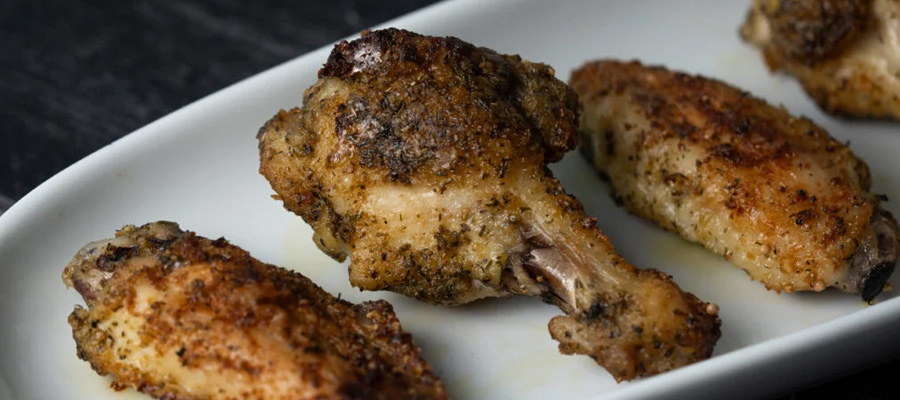
Jamaican Jerk BBQ: Heat, Spice & Island Smoke
Jamaican jerk is one of the most recognizable flavor profiles in the world: fiery Scotch bonnet heat, warm allspice, fresh thyme, garlic and ginger, all wrapped in a deep, smoky char. It’s bold, a little wild, and completely addictive.
For 1000Rubs.com, jerk BBQ is an ideal style to feature because it’s:
- Built on a seasoning blend (exactly what you sell)
- Visually gorgeous for photos and social
- Flexible across chicken, pork, fish, and even veggies
This guide walks through jerk history, flavor science, cooking methods, and a full at‑home jerk chicken cook—plus ways to plug in your rubs and blends.
What Is Jerk, Really?
“Jerk” is both a flavor and a cooking method:
- A spice blend or marinade built around Scotch bonnet peppers, allspice (pimento), thyme, scallions, garlic, ginger, and warm spices like cinnamon and nutmeg.
- Meat (traditionally pork and chicken, but also fish) marinated for hours and then cooked slowly over a charcoal fire scented with pimento wood for a distinctive smoky aroma.
Origins: From Maroon Survival Food to Global Icon
Jerk has deep roots in Jamaican history:
- Developed by Maroons — escaped enslaved Africans who settled in Jamaica’s mountains in the 1600s — as a way to preserve and flavor meat.
- They seasoned and slow‑cooked meat over pits with pimento wood to keep smoke low and preserve food.
- Over centuries, the technique evolved into the jerk we know today: roadside jerk stands, drum grills, and restaurants across Jamaica and beyond.
How Jerk Is Traditionally Cooked
Authentic jerk is more than “just grilled chicken”:
- Meat is marinated for several hours or overnight.
- It’s cooked slowly over charcoal with green pimento wood for smoke and aroma.
- The fire is often a mix of direct and indirect heat, giving charring on the outside while keeping the interior juicy.
At home, most people can’t get pimento wood, but you can get very close by:
- Using lump charcoal + mild fruit wood or allspice wood chips if available
- Running a medium‑hot grill, not maxed‑out inferno heat
Letting the marinade and rub do most of the heavy lifting
Protein Choices for Jerk BBQ
Jerk works beautifully on:
- Chicken – whole spatchcocked birds, drumsticks, thighs, or leg quarters
- Pork – shoulder, loin, country‑style ribs, or pork chops
- Seafood – fish fillets, shrimp, snapper, or even lobster
- Tofu and vegetables – for jerk‑flavored vegetarian platters
For 1000Rubs.com, this means one jerk product line can anchor a whole category of recipes.
Step by Step: At Home Jerk Chicken (Grill Version)
Here’s a blog‑ready framework you can reuse as a recipe.
- Prep the Chicken
Best cuts for the grill:
- Bone‑in thighs, drumsticks, or leg quarters (they handle heat and stay juicy).
Pat chicken dry with paper towels.
- Mix the Marinade (Using Your Rub)
Quick marinade framework:
- 3–4 tablespoons 1000Rubs jerk rub
- Juice of 2 limes (or 1 lime + splash of vinegar)
- 2–3 tablespoons neutral oil
- Optional: fresh chopped scallions, garlic, ginger, and a minced Scotch bonnet or habanero (gloves recommended)
Stir to combine into a thick paste.
- Marinate
- Rub marinade all over the chicken, getting under the skin where possible.
- Marinate in the fridge at least 4 hours, ideally overnight.
Remove from the fridge 30–45 minutes before cooking to take the chill off.
- Set Up the Grill
For the most jerk‑like results:
- Use a charcoal grill with lump charcoal.
- Bank coals to one side for a two‑zone fire.
- Add wood chunks or chips (fruit wood, oak, or pimento wood if you can get it).
You’re aiming for medium to medium‑high heat, not a blast furnace.
- Grill the Chicken
- Start over the cooler, indirect side skin side up.
- Cover the grill and cook until the internal temperature is around 150–155°F in the thickest part.
- Move pieces briefly over the hot side to crisp and char the skin, flipping as needed.
- Finish to 175–185°F in dark meat for best flavor and texture.
That combo of smoke, char, and marinade caramelization is where jerk magic happens.
- Rest & Serve
- Let the chicken rest 5–10 minutes.
Serve with lime wedges and extra jerk seasoning sprinkled lightly on top if desired.
Classic Jerk Sides & Serving Ideas
Make your readers’ tables look like a Jamaican roadside grill stop:
- Rice and peas (rice cooked with coconut milk and kidney beans)
- Festival (slightly sweet fried dumplings)
- Fried or grilled plantains
- Simple slaw (vinegar‑based, cooling against the heat)
- Grilled corn with jerk butter
- Pineapple slices dusted lightly with jerk rub and grilled
Pair jerk with:
- Cold beer
- Ting or other citrus sodas
- Rum cocktails
FAQ: Jamaican Jerk BBQ
Q: What makes jerk different from regular BBQ?
A: Jerk is defined by its spice blend and cooking method—Scotch bonnet peppers, allspice, thyme, and aromatics in a marinade or rub, plus slow grilling over charcoal and traditionally pimento wood. It’s hotter, more aromatic, and more herbal than most American BBQ.
Q: Is jerk always very spicy?
A: Traditionally, yes—it’s built on Scotch bonnet peppers. But you can control the heat by using fewer peppers, removing seeds, or relying more on a dry rub with moderate chili levels.
Q: Can I cook jerk chicken in the oven instead of a grill?
A: You’ll lose some smoke, but you can roast jerk chicken in the oven at around 375°F until cooked through, then finish under the broiler briefly to get some char. Use your jerk rub and marinade the same way.
Q: What meats work best with jerk seasoning?
A: Chicken, pork (shoulder, chops), and fish are the most common, but jerk is also excellent on shrimp, tofu, and hearty vegetables like cauliflower or eggplant.
Q: How long should I marinate jerk chicken?
A: At least 4 hours for good penetration, but overnight (8–12 hours) gives the best flavor. Don’t leave poultry in very acidic marinades for more than a day or the texture can get mushy.