


Never Miss a Post!
Sign up for free and be the first to get notified about updates.
Share Article
Santa Maria-Style BBQ: California’s Oak-Fired Tri-Tip Tradition
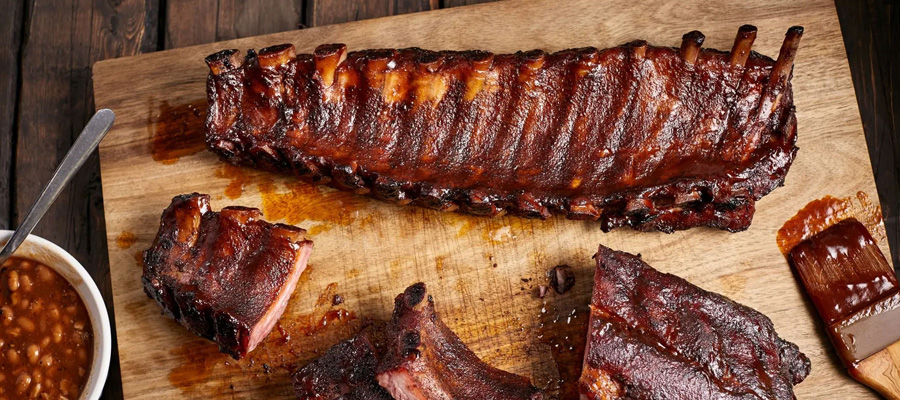
When most people think of American barbecue, they picture brisket in Texas or pulled pork in the South. But on California’s Central Coast, there’s a barbecue style with its own rules, its own culture, and one absolutely legendary cut of beef. Which is Santa Maria-Style BBQ – oak-grilled tri-tip, simple seasoning, and a classic lineup of sides.
This guide is built for 1000Rubs.com to position you as an authority on regional BBQ styles and a go-to source for rubs that help people recreate Santa Maria flavors at home.
We’ll cover:
- What makes Santa Maria–style BBQ unique
- The history behind this California classic
- How to choose and cook tri-tip the traditional way
- The classic Santa Maria menu and sides
- Rub and seasoning strategies you can tie to your product line
- A full step-by-step Santa Maria tri-tip cook for home grills
What Is Santa Maria–Style BBQ?
Santa Maria–style BBQ is a regional barbecue tradition from the Santa Maria Valley in Santa Barbara County, California. It’s built around:
- Beef tri-tip as the star cut
- Simple seasonings—usually salt, pepper, and garlic
- Red oak coals (coast live oak, locally called “red oak”)
- An open, adjustable iron grill where the grate can be raised or lowered over the fire
Unlike low & slow Southern-style barbecue, Santa Maria tri-tip is:
- Grilled over a live wood fire, not smoked for many hours
- Cooked to medium-rare or medium, then sliced thin across the grain
- Served as part of a specific menu of sides: pinquito beans, fresh salsa, salad, and buttery grilled bread
It’s a style that’s simple on paper, but the fire management, seasoning balance, and slicing technique are what separate “pretty good” from “this tastes like a Central Coast barbecue joint.”
A Short History of Santa Maria–Style BBQ
Santa Maria–style BBQ has deep roots in California ranch culture.
- The tradition dates back to the mid-19th century, when local ranchers hosted big open-air feasts for vaqueros and neighbors. Meat was cooked over pits filled with coals from local live oak.
- Originally, the star was top sirloin, seasoned with salt, pepper, and garlic, skewered and cooked over red oak coals.
- In the 1950s, local butcher Bob Schutz popularized the tri-tip cut (from the bottom sirloin), which quickly became the signature Santa Maria cut.
Over time, the style became recognized as a cornerstone of California’s culinary heritage, with restaurants, festivals, and community events centered around oak-grilled tri-tip and that classic menu of sides.
The Four Pillars of Santa Maria–Style BBQ
To cook Santa Maria–style BBQ anywhere in the world, you need to nail these four elements:
1. The Cut: Tri-Tip
Tri-tip is a triangular muscle from the bottom sirloin. It has:
- A great balance of lean and marbling
- A long, visible grain that you must slice correctly
- Enough fat to stay juicy, but not so much that it needs low & slow smoking
It’s usually cooked as a whole roast (about 2–3 lbs), then sliced thin across the grain.
2. The Seasoning: Simple & Bold
Traditional Santa Maria seasoning is very straightforward:
- Coarse salt
- Black pepper
- Garlic (fresh, granulated, or garlic salt)
- Often dried parsley or other herbs
Many versions use only salt, pepper, and garlic, underscoring the quality of the beef and the smoke.
3. The Fuel: Red Oak
The fire is fueled by coast live oak (often called “red oak” locally). This wood gives:
- A distinctive, robust, slightly sweet smoke
- A clean-burning coal bed that’s perfect for grilling
It’s one of the main flavor signatures that separates Santa Maria from other BBQ styles.
4. The Grill: Adjustable Iron Grate
The classic Santa Maria grill has:
- An iron grate raised and lowered by a hand crank
- A bed of glowing wood coals in an open pit or box beneath
Raising the grate increases distance from the heat for gentler cooking; lowering it boosts searing power.
The Classic Santa Maria BBQ Menu
Santa Maria–style BBQ isn’t just about the meat—it’s a whole set menu that was even officially codified by the local chamber of commerce in the 1970s.
Traditionally, a full Santa Maria spread includes:
- Oak-grilled tri-tip (or top sirloin)
- Pinquito beans – small, pinkish beans native to the Santa Maria Valley
- Fresh tomato salsa or salsa fresca
- Green salad (usually simple and crisp)
- Grilled French bread dunked in melted butter or garlic butter
Some variations also add:
- Portuguese linguiça or chorizo sausages
- Macaroni salad or macaroni and cheese
- Seasonal local produce like strawberries as dessert
Adapting Santa Maria–Style BBQ at Home (Without a Dedicated Grill)
Not everyone has a full Santa Maria pit in their backyard. Here’s how to get close with common cookers.
Option 1: Actual Santa Maria Grill
If your readers have (or are considering) a dedicated Santa Maria–style grill:
- Build a red oak or oak-based wood fire until you have a solid bed of coals.
- Start with the grate lowered for a strong sear, then crank it up to finish at gentler heat.
- Manage doneness mostly with grate height and coal intensity.
Option 2: Kettle Grill (Charcoal)
A classic kettle can do a great approximation:
- Bank a thick layer of charcoal and a few oak chunks on one side of the grill.
- Light and let coals ash over.
- Set the cooking grate so that tri-tip sits offset from the main coal pile, but still close enough to pick up heat and smoke.
- You can move the tri-tip closer or farther from the fire to mimic height adjustments.
Option 3: Gas Grill with Wood Chips
Not ideal, but workable:
- Use a smoker box or foil packet filled with oak chips or pellets.
- Run one burner on medium-high to medium, others lower or off, and cook tri-tip over indirect heat.
- Finish with a quick sear over direct flame if needed.
Option 4: Pellet Grill
Pellet grills make it easy:
- Use oak or a robust blend
- Cook at 275–325°F, aiming more for a hybrid smoke/grill profile
- Finish with a brief hotter sear or a cast-iron pan if you want more crust
Choosing & Prepping Tri-Tip
To help your customers succeed (and come back for rubs), give them clear selection and prep tips.
How to Buy Tri-Tip
Look for:
- Weight: 2–3 pounds each
- Marbling: visible streaks of intramuscular fat
- Even thickness: avoid roasts that taper to paper-thin edges
If tri-tip is hard to find nearby, suggest asking a butcher for the bottom sirloin triangular roast.
Trimming:
- Remove any silver skin and hard exterior fat.
- Leave a thin, even fat layer where possible for flavor and moisture.
- Square off ragged edges to prevent overcooked “crisps.”
Seasoning: The Santa Maria Way
A traditional tri-tip rub can look like:
- 2 parts kosher salt
- 2 parts coarse black pepper
- 1 part granulated garlic
- 1 part dried parsley (optional)
1. A “Santa Maria–Style Tri-Tip Rub” with salt, pepper, garlic, maybe mild chili and herbs.
2. A California or Central Coast–inspired rub collection that includes options for tri-tip, chicken, and vegetables.
Step-by-Step: Authentic Santa Maria Tri-Tip Cook
Step 1: Pre-Season the Tri-Tip
- Pat the roast dry with paper towels.
- Lightly coat with a neutral oil if you like (optional).
- Apply a generous, even layer of your Santa Maria–style rub on all sides.
- Let it sit at room temperature for 30–45 minutes while you prepare your fire.
You can also season several hours ahead and refrigerate, then bring back toward room temp before cooking.
Step 2: Build the Fire
For charcoal or wood:
- Target a medium-hot fire that settles around 300–350°F in your cooking zone.
- Make sure you have a good bed of coals with oak chunks or splits for flavor.
For pellet or gas:
- Preheat to around 300°F, with oak pellets or wood chips if possible.
Step 3: Sear, Then Roast
The traditional approach is sear first, then raise/indirect cook:
- Place tri-tip close to the fire (or over direct heat).
- Sear 3–5 minutes per side until a deep brown crust forms.
- Move tri-tip to a slightly cooler zone, or raise the grate if you have a Santa Maria grill.
- Continue cooking, turning occasionally, until internal temp approaches your target.
Step 4: Internal Temps & Doneness
Santa Maria tri-tip is typically cooked to medium-rare to medium:
- 125–130°F (52–54°C): rare to medium-rare (quite red)
- 130–135°F (54–57°C): classic medium-rare
- 135–140°F (57–60°C): medium
Because tri-tip is leaner than brisket and has relatively little connective tissue, there’s no need to cook to high temps—you’re not trying to melt collagen like in low & slow BBQ.
Pull the roast a few degrees early (e.g., 130°F if you want 135°F finished), as it will rise slightly during the rest.
Step 5: Rest Thoroughly
Rest tri-tip for 10–15 minutes on a cutting board, loosely tented with foil. This:
- Allows juices to redistribute
- Relaxes muscle fibers for easier slicing
Step 6: Slice Across the Grain (Critical Step)
Tri-tip has a grain that changes direction:
- Identify the point where the grain shifts (usually about halfway across the roast).
- Start by cutting the roast in half at that point.
- Rotate each half so that you’re slicing perpendicular to the grain.
- Slice into thin, even slices, about pencil-width or slightly thicker.
If readers slice the wrong way, tri-tip can seem tough, even if perfectly cooked.
FAQ: Santa Maria–Style BBQ
Q: What makes Santa Maria–style BBQ different from other BBQ?
A: It’s a regional California style centered on oak-grilled tri-tip, seasoned simply with salt, pepper, and garlic, and served with pinquito beans, salsa, salad, and grilled French bread—rather than long-smoked brisket or pork.
Q: Do I have to use tri-tip for Santa Maria–style BBQ?
A: Tri-tip is the modern signature cut, but early versions used large chunks of top sirloin. If you can’t find tri-tip, bottom sirloin or top sirloin roasts are the best substitutes.
Q: Why is red oak important?
A: Coast live oak (often called red oak locally) gives a distinctive, robust smoke flavor and burns down into a great coal bed, which is central to the traditional taste of Santa Maria–style BBQ.
Q: What internal temperature should I cook tri-tip to?
A: Most people aim for 130–135°F for medium-rare or up to 140°F for medium. Because tri-tip is relatively lean and low in connective tissue, it doesn’t need low & slow treatment—just a good sear and careful finishing.
Q: Can I make Santa Maria–style BBQ on a regular gas or charcoal grill?
A: Yes. Use oak chunks or chips for smoke, set up indirect heat at around 300–350°F, sear the tri-tip, then finish it over gentler heat until it reaches your target internal temperature.